Complete Guide to Proper Dumpster Loading
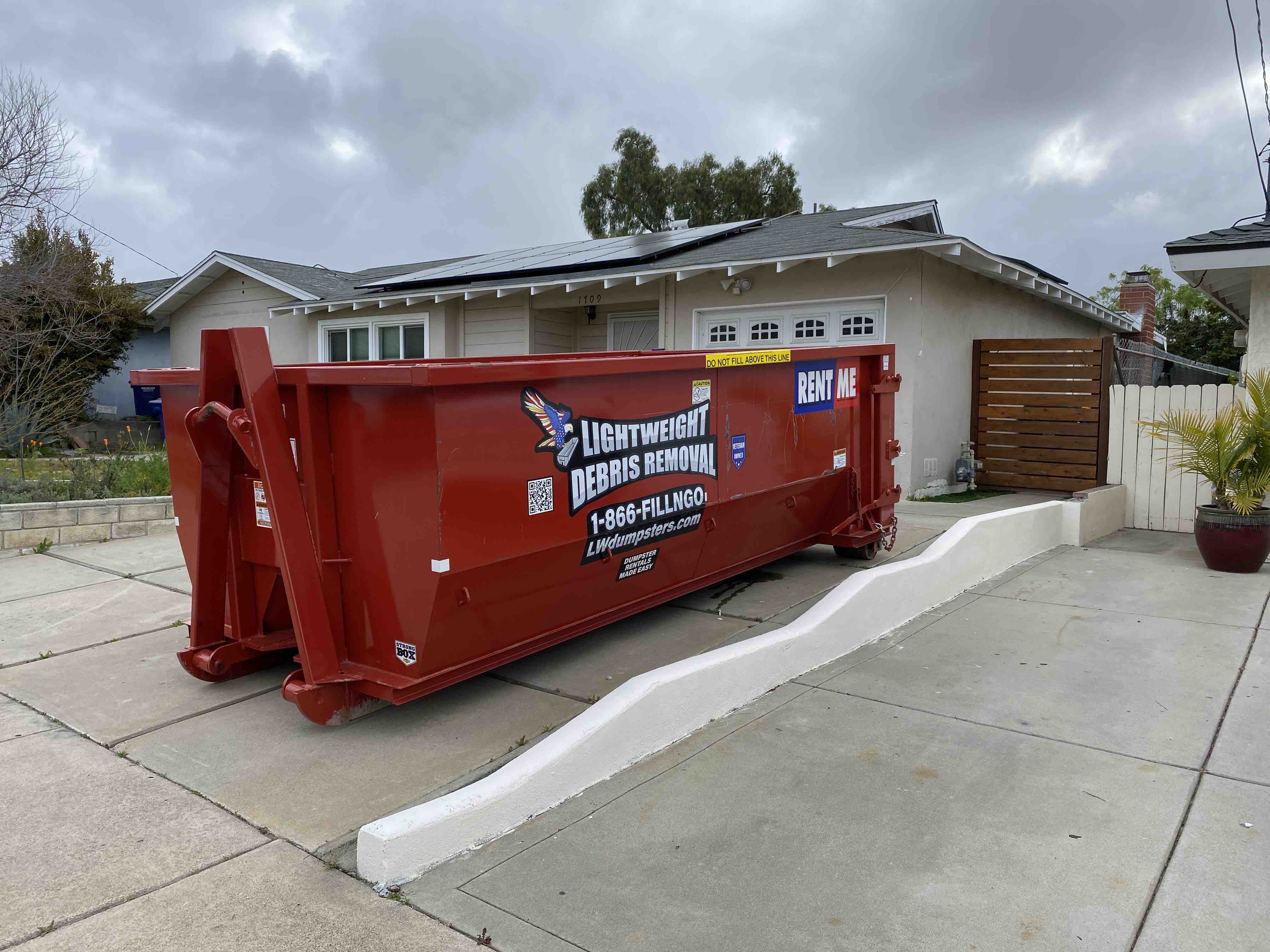
Whether tackling a renovation, cleanup, or building project, you might think dumpster loading is an easy step. However, how materials are arranged can greatly influence space efficiency, safety, and speed. Most people don’t realize how much strategy goes into correct dumpster loading, leading to wasted space, risks, and slower progress.
At Lightweight Debris Removal, we stress the importance of loading a dumpster correctly just as much as selecting the proper size. A systematic method allows you to fully utilize your dumpster and maintain a safe work zone. Our aim is to help customers gain the most from their rentals through understanding correct loading methods that minimize clutter, avoid damage, and speed up cleanup.
Organizing Before You Begin Loading
Before placing any waste into the dumpster, proper preparation is key. Identify what materials you’ll dispose of and check if any can be recycled, reused, or need special handling. Pre-sorting creates efficiency and minimizes the hassle of re-sorting mid-process. You’ll also ensure safer handling since sharp or dangerous items are separated.
Mapping out the order of loading matters just as much. Lay down the heaviest items first to create stability. Then add lighter or smaller debris to fill remaining gaps. A well-thought-out plan helps avoid imbalance and instability once hauling begins. Strategic organization leads to safer, faster, and more effective click here loading results.
Maximizing Dumpster Space
Proper space utilization can make a major difference in how much waste fits. Large or bulky debris should be dismantled to conserve room. Flattening boxes, removing doors, and taking apart parts allows more capacity and prevents wasted space. This lets you load more effectively and maintain even weight distribution.
Another good method is layering your load properly. Use sturdy flat pieces as a bottom layer. Continue with smaller, lighter waste to fill the cracks and corners. Avoid stacking debris past the dumpster’s top edge to maintain safety. Proper layering not only optimizes space but also enhances organization and safety.
Maintaining Safety During Loading
Safety should be at the forefront during every loading task. Always wear gloves, closed-toe shoes, and suitable protective clothing. Make sure your workspace is clear of debris or uneven ground before lifting. Staying alert around the dumpster keeps the process safe and organized.
Refrain from throwing objects into the dumpster carelessly, as it can cause unpredictable movement or potential damage. Instead, place objects deliberately and with control. Seek help when lifting oversized objects to prevent strain or accidents. Prioritizing safety not only protects workers but keeps operations steady and efficient.
Efficiently Sorting and Arranging Materials
Keeping materials sorted throughout the loading process is essential for maintaining efficiency. Keep comparable debris types—such as wood, metal, or general trash—segregated. This method improves the workflow and eases both the loading and dumping process. This organization helps identify recyclables and promotes environmentally conscious waste handling.
Keeping materials organized reduces the need to rearrange items once they’re inside. Put crushable or soft items like cardboard near the top, keeping sturdier ones underneath. This keeps lighter waste from being blown away and maintains load stability. Staying methodical enhances workflow efficiency and maintains professionalism.
Preventing Property Damage During Dumpster Placement
Though dumpsters are designed for strength, the ground beneath them may not be. Placing wooden planks or similar barriers underneath distributes weight and prevents surface damage. Taking this measure prevents cracks, scratches, and wear during use.
Choosing the right placement location is just as important. Opt for a stable, easy-to-reach area that won’t obstruct entryways or paths. Do not place it near fragile features like fences or shrubs to prevent accidental harm. By combining smart placement with surface protection, you create a safer and cleaner workspace.
Boosting Productivity on Large-Scale Cleanups
Big projects tend to generate constant debris that needs proper management. Set up a designated area to collect and organize debris before dumping it in. This keeps the dumpster evenly filled from front to back and minimizes later rearranging.
Strong collaboration and clear direction make the process more effective. Divide responsibilities among your team to maintain consistent progress. When everyone knows their tasks, the process runs faster and stays organized. Proper organization ensures large-scale tasks are finished smoothly and on time.
Understanding Restricted Dumpster Items
Not all waste materials belong in a standard dumpster, and knowing what’s restricted is vital. Materials like paints, batteries, and chemicals require special disposal methods. Placing these inside a dumpster may cause environmental harm or disposal complications. Always confirm what’s allowed before starting to load your dumpster.
Avoid exceeding the dumpster’s weight or fill limit to prevent safety risks. Overflowing containers lead to instability and may require extra handling. By following proper load limits, you support responsible waste management. Being mindful of what and how much you load ensures smooth pickup and transport.
Partnering with a Reliable Dumpster Rental Provider
Collaborating with a dependable provider makes any cleanup smoother and more efficient. Lightweight Debris Removal takes pride in providing professional dumpster rentals for residential and commercial use. From drop-off to collection, our team ensures a seamless and worry-free rental experience.
Choosing a service dedicated to client satisfaction ensures smoother operations. Attention to detail, communication, and timeliness create successful outcomes. Lightweight Debris Removal remains committed to supporting customers in achieving clean, safe, and efficient waste solutions.
Maintaining a Clean and Efficient Project Site
Efficient dumpster loading directly impacts overall project productivity. A tidy site helps teams focus on tasks without unnecessary clutter or confusion. Through planning and efficient methods, you’ll complete jobs faster and cleaner.
Lightweight Debris Removal encourages clients to see dumpster use as more than just disposal. It’s a chance to boost safety, save time, and protect your surroundings. Through foresight, precision, and teamwork, dumpster loading transforms into a vital part of success.